






Original author: Yang Chen, Wall Street See
Original source: Wall Street See
The digital finance regulatory dividend that has taken shape since Trump took office is now facing a direct shock from the midterm elections. As American voters head to the polls on Tuesday, some investors have already begun positioning early for tighter regulation in the event of a Democratic victory.
Options market data shows that the cost of put protection on crypto-related stocks continues to climb.The cost of protection against a 10% decline in Coinbase over the next month has risen to its highest level since April; the same metric for Strategy is at its peak since June.
Meanwhile, two ETFs that track crypto-linked stocks—the Global X Blockchain ETF and the Amplify Blockchain Technology ETF—both saw net outflows last month.
The core logic behind market concerns is this:if Democrats sweep both the Senate and the House, the regulatory environment for crypto and prediction markets will most likely tighten, and Trump and his associates could also face a wave of congressional investigations.
StoneX Financial analyst Mark Palmer said, "The market has recognized that some of the benefits crypto companies have gained from regulatory adjustments at the SEC and CFTC are not permanent, and their trajectory depends on the election outcome." He noted that although election risk has been partly priced in,if Democrats win the House by a wide margin, crypto stocks could see an immediate negative reaction on Wednesday.
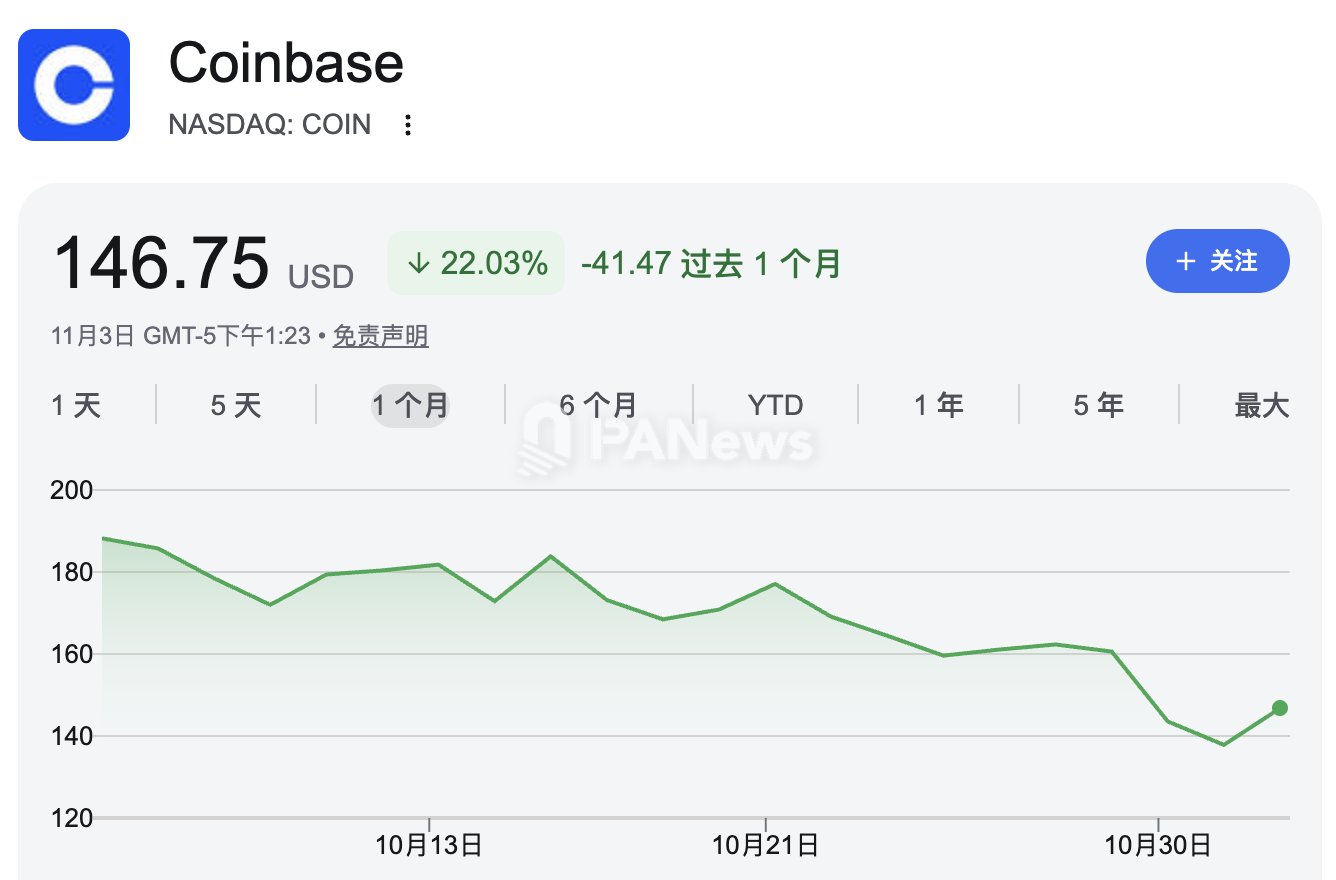
Pressure on the crypto sector was already evident in October's data. Coinbase shares plunged 23% that month, while Galaxy Digital fell 30%—both their worst monthly performances since 2022; Strategy and Bullish dropped 15% and 32%, respectively. After voting began in the U.S. on Tuesday, those stocks rebounded somewhat, with Coinbase up 6% and Galaxy Digital surging 13%.
Clarity Act Stalled, Clouding Legislative Outlook
In September, Democrats, joined by a handful of Republican lawmakers, blocked the advancement of the Clarity Act, which had been intended to transfer primary regulatory authority over the digital asset industry to the Commodity Futures Trading Commission (CFTC). After the bill was stalled, shares of Coinbase and Circle Internet Group fell sharply.
Clear Street analyst Owen Lau said, "Given the expected midterm election results, I don't think the Clarity Act will return to the agenda before 2027, and some of the impact may already have been priced in by the market."
If Democrats win both chambers, Senator Elizabeth Warren is expected to become chair of the Senate Banking Committee—the committee with legislative oversight authority over crypto and digital assets.
TD Cowen analyst Jaret Seiberg wrote in a late-October research note that this would be"the most unfavorable election outcome for the crypto industry, because Warren is a crypto skeptic and the leading force behind blocking the Clarity Act."
However, Seiberg also noted that "Warren cannot stop regulators from pursuing crypto-friendly policies," and Trump will most likely continue to support the industry and veto any legislation that limits the authority of its regulators.
Binance Hit by Largest Hack in History
The crypto industry suffered another blow in late October. Hackers stole $6.3 billion from crypto exchange Binance, marking the largest theft in crypto history.
Morgan Stanley analyst Michael Cyprys wrote in a client note that the high-profile hack could trigger "heightened regulatory scrutiny of cybersecurity, asset custody, operational safeguards, and customer asset protection."
Crypto companies such as Coinbase, Bullish, and Circle have actively expanded into new businesses like tokenization and prediction markets in recent years to reduce reliance on pure crypto trading, but their revenue sources remain predominantly crypto-related, making the impact of regulatory uncertainty difficult to fully avoid.
Democratic Victory Could Benefit Traditional Exchanges
If Democrats secure a majority, the beneficiaries may not be crypto upstarts but established exchanges such as Cboe Global Markets and CME Group.
Analysts believe a stricter regulatory environment would favor long-established institutions with well-developed compliance systems over newer platforms with lower standards. Last month, Cboe received approval from U.S. regulators to become the first securities exchange authorized to list options contracts tied to listed companies' performance metrics.
As for prediction markets, which currently enjoy strong federal policy backing under the Trump administration, they could likewise face regulatory pressure and legal challenges if Democrats win.
What to Watch: How Democrats Will Set Policy Priorities
Several analysts noted that if Democrats take power, the ranking of their policy priorities will largely determine the actual direction of the digital finance industry.
Hyunsu Jung, CEO of Hyperion DeFi Inc., said the digital innovation sector is in a phase of rapid development, but the new majority party may prioritize issues such as resurgent inflation and Middle East conflicts while allowing the CFTC and SEC to continue advancing rulemaking.
Justin Slaughter, a senior advisor at investment advisory firm Paradigm, echoed that view: "The choice facing Democrats is—do you concentrate your forces on winning a few key battles, or do you go all out on every front?"
StoneX's Palmer took a longer view. He said that as the 2026 midterms conclude and the 2028 presidential race enters a substantive phase, market scrutiny and speculation about different candidates' crypto policy positions will heat up markedly. "There will be considerable controversy and speculation surrounding the crypto space—from both parties."