






Written by: Zhao Ying
Source: Wall Street Insights
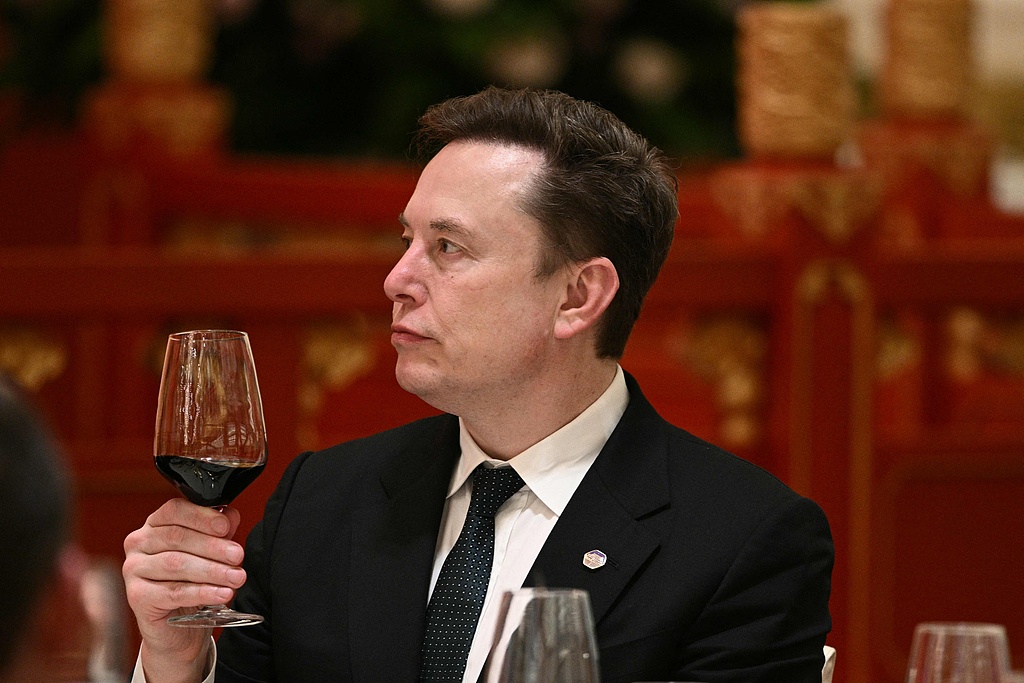
Elon Musk is on the brink of becoming the world's first trillionaire, yet his wealth has grown so vast that it's nearly impossible for the average person to grasp intuitively.
According to a report by the Wall Street Journal on the 2nd, Musk's current net worth is approximately $970 billion, mostly held in the form of equity. Once SpaceX's IPO materializes, this figure will likely surpass the trillion-dollar mark. Over his 31-year entrepreneurial career, that translates to an average of about $992 accumulated per second and $3.6 million per hour.
This wealth surpasses the annual GDP of more than 125 countries globally, including Norway, Thailand, Argentina, and South Africa—the latter being Musk's birthplace, with an annual GDP of around $480 billion. Measured as a share of U.S. GDP, Musk's fortune is roughly equivalent to 3%, easily surpassing that of John D. Rockefeller, historically the wealthiest American.
Wealth Composition: 90% Tied Up in Equity
According to the Wall Street Journal's analysis, the largest single component of Musk's $970 billion fortune is his pre-IPO equity in SpaceX, valued at approximately $538 billion. His holdings in Tesla are worth around $167 billion, and combined stock options in both companies total about $150 billion, fully exercisable. Additionally, The Boring Company and Neuralink are each valued at roughly $5 billion, while real estate, aircraft, and other investments amount to about $104 billion, as estimated by wealth intelligence firm Altrata.
This means the vast majority of Musk's wealth exists as paper assets, not readily available cash. He can borrow against his SpaceX and Tesla holdings, but liquidity remains limited. Musk himself publicly stated in 2020 that he "owns no houses" and sold several properties in California, though he later purchased real estate in Texas.
Time Perspective: 11 Million Years for an Average U.S. Household
To make this figure more tangible, consider Musk's wealth in relation to time: Over the 31 years since co-founding his first U.S. tech company in 1995, he has accumulated roughly $59,500 per minute, $85.7 million per day, and $31.3 billion per year.
Based on the 2024 U.S. median household income of $83,730, an average American family would need to work over 11 million years to amass Musk's fortune.
Philosopher and economist Ingrid Robeyns has noted that the wealth accumulation of the world's richest individuals has outpaced ordinary comprehension. She estimated that if Musk worked 70 hours a week without breaks until age 75, his hourly wage over his career would be about $4.2 million. Known for his intense work ethic, after acquiring Twitter, Musk said his weekly hours jumped from about 80 to over 120.
Imagining Purchasing Power: From 2.4 Million Homes to All NFL Teams
To visualize the purchasing power of $970 billion: This amount could buy approximately 2.4 million average U.S. homes; or acquire all 32 NFL teams plus every NBA franchise, with over $500 billion left over; or build a fleet of over 10,000 Gulfstream G700 private jets, covering five years of operating costs including fuel; or simultaneously purchase Accenture, FedEx, Home Depot, UPS, Target, Kroger, Starbucks, CVS Health, Albertsons, Cracker Barrel, and Campbell's, collectively employing over 4 million people.
Historical Context: Surpassing Rockefeller, Rivaling Industrial Titans
When measured as a share of GDP, Musk has already surpassed John D. Rockefeller, traditionally recognized as the wealthiest American. Rockefeller's fortune at the time of his death in 1937 was about $1.4 billion, representing roughly 1.5% of the U.S. GDP at that time. Musk's wealth, in contrast, accounts for about 3% of current U.S. GDP—twice that proportion.
Rockefeller built his monopoly through the industrialization era, creating Standard Oil, which was eventually broken up by the federal government. Musk's fortune, however, is built on three tracks: electric vehicles, commercial spaceflight, and artificial intelligence. Moreover, the success of Tesla and SpaceX has generated billions in returns for investors who bet on Musk and has created a wave of employee millionaires.