






Author: Grayscale
Compiled by: TechFlow
Key Takeaways
We anticipate that 2026 will accelerate structural shifts in the digital asset investment landscape, driven primarily by two key trends: increasing macro demand for alternative stores of value and enhanced regulatory clarity. The combination of these forces is expected to attract more capital inflows, broaden digital asset adoption (particularly among wealth managers and institutional investors), and further integrate public blockchains into mainstream financial infrastructure.
Consequently, we expect digital asset valuations to rise in 2026, marking the end of the "crypto four-year cycle" theory. We believe Bitcoin's price could reach a new all-time high in the first half of 2026.
Grayscale expects bipartisan crypto market structure legislation to become U.S. law in 2026. This will further drive the integration of public blockchains with traditional finance, facilitate compliant trading of digital asset securities, and potentially enable startups and established companies to issue securities on-chain.
The outlook for fiat currencies is increasingly uncertain; in contrast, we can be highly confident that the 20 millionth Bitcoin will be mined in March 2026. Given rising fiat currency risks, we believe digital currency systems like Bitcoin and Ethereum will see growing demand due to their transparency, programmability, and ultimate scarcity.
We expect more crypto assets to be offered via Exchange-Traded Products (ETPs) in 2026. These investment vehicles have seen initial success, but many platforms are still conducting due diligence and working to incorporate crypto assets into their asset allocation processes. As this process matures, we anticipate more slow-moving institutional capital entering the market in 2026.
Additionally, we have outlined ten key themes for crypto investing in 2026, reflecting the broad range of emerging use cases for public blockchain technology. For each theme, we include relevant crypto assets. These include:
Dollar Devaluation Risk Fuels Demand for Monetary Alternatives
Regulatory Clarity Supports Digital Asset Adoption
Stablecoin Influence to Grow, Driven by the GENIUS Act
Asset Tokenization Reaches an Inflection Point
Blockchain Goes Mainstream, Privacy Solutions Become Urgent
AI Centralization Drives Need for Blockchain Solutions
DeFi Accelerates, Led by Lending
Mainstream Adoption Requires Next-Generation Infrastructure
Focus on Sustainable Revenue Models
Investors Default to Staking for Yield
Finally, we believe the following two topics will have limited impact on the crypto market in 2026:
Quantum Computing: While research and preparation for post-quantum cryptography continue, we do not believe this issue will significantly impact market valuations next year.
Digital Asset Treasuries (DATs): Despite significant media attention, we do not expect DATs to be a major factor influencing the digital asset market in 2026.
2026 Digital Asset Outlook: Dawn of the Institutional Era
Fifteen years ago, cryptocurrency was an experiment: a single asset (Bitcoin) with a market cap of around $1 million. Today, it is an emerging industry and a mid-sized alternative asset class, comprising millions of tokens with a total market cap of approximately $3 trillion (see Figure 1). Evolving regulatory frameworks in major economies are now driving deeper integration of public blockchains with traditional finance and bringing long-term capital inflows to the market.
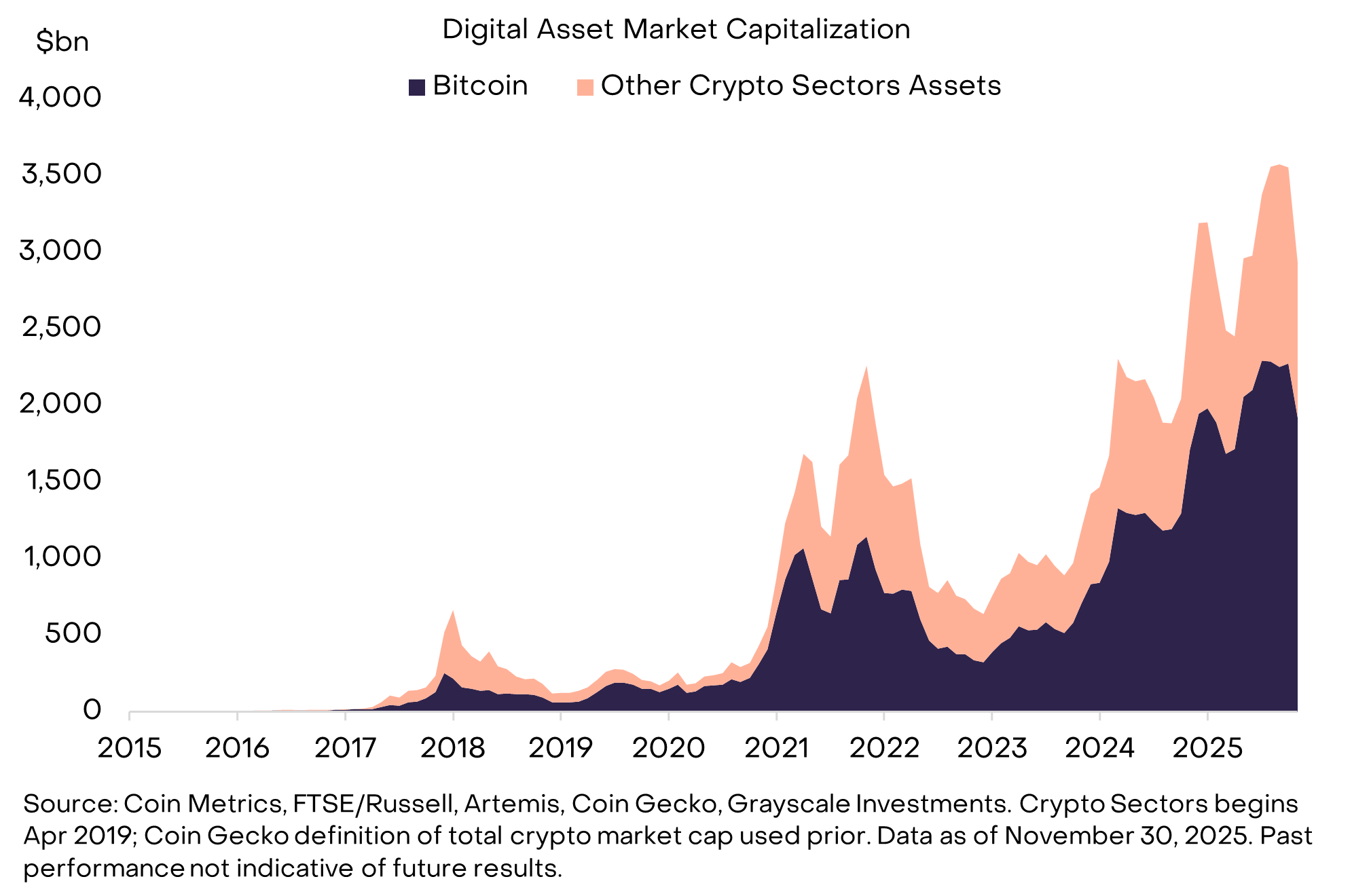
Figure 1: Cryptocurrency is now a mid-sized alternative asset class
Throughout its history, token valuations have experienced four major cyclical drawdowns, roughly every four years (see Figure 2). In three of these cases, cyclical valuation peaks occurred 1 to 1.5 years after Bitcoin halving events, which happen every four years. The current bull market has lasted over three years, and the most recent Bitcoin halving occurred in April 2024, more than 1.5 years ago. Therefore, some market participants traditionally believe Bitcoin's price may have peaked in October 2025, and 2026 could be a challenging year for crypto returns.

Figure 2: Rising valuations in 2026 would mark the end of the "4-year cycle theory"
Grayscale believes the crypto asset class is in a sustained bull market and predicts 2026 will mark the end of the "explicit four-year cycle." We expect valuations across all six major crypto sectors to rise in 2026 and believe Bitcoin's price could surpass its previous all-time high in the first half of the year.
The two pillars of our optimistic outlook:
First, sustained macro demand for alternative stores of value.
Bitcoin and Ethereum, as the two largest cryptocurrencies by market cap, can be viewed as scarce digital commodities and alternative monetary assets. Due to high public sector debt and its potential impact on long-term inflation (see Figure 3), fiat currencies (and assets denominated in them) face additional risks. Scarce commodities, whether physical gold and silver or digital Bitcoin and Ethereum, can serve as "ballast" in portfolios to hedge against fiat currency risks. In our view, as long as the risk of fiat currency debasement continues to rise, portfolio demand for Bitcoin and Ethereum is likely to increase.
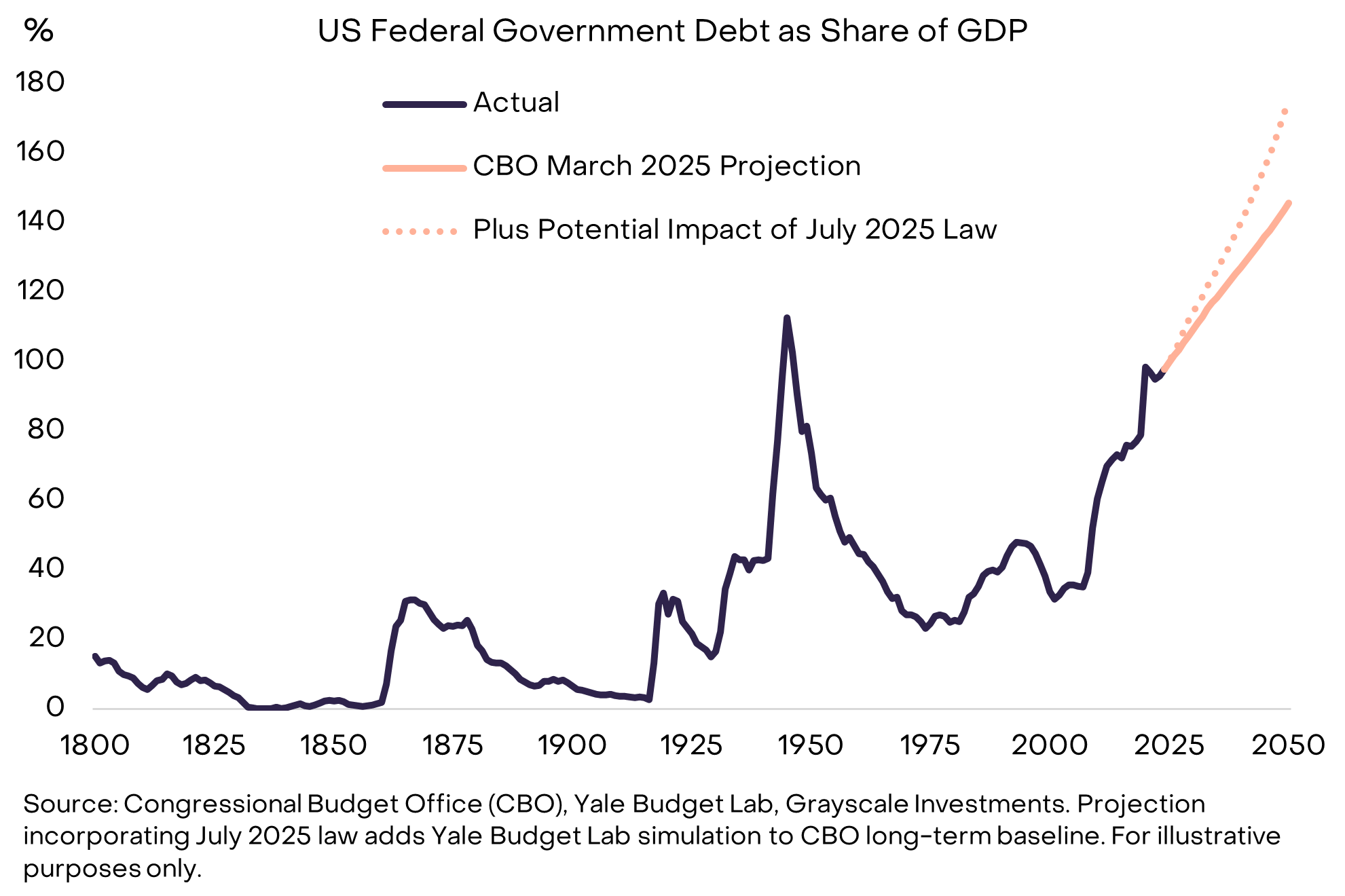
Figure 3: U.S. debt issues raise questions about low inflation credibility
Second, regulatory clarity is driving institutional investment into public blockchain technology.
While it may be overlooked, until this year, the U.S. government was investigating or litigating against many leading crypto industry companies, including Coinbase, Ripple, Binance, Robinhood, Consensys, Uniswap, and OpenSea. Even now, exchanges and other crypto intermediaries still operate without clear spot market guidance.
However, this situation is gradually improving. In 2023, Grayscale won its lawsuit against the SEC, paving the way for spot crypto Exchange-Traded Products (ETPs). In 2024, spot Bitcoin and Ethereum ETPs launched. In 2025, the U.S. Congress passed the GENIUS Act, regulating the stablecoin market, and regulators shifted their stance on the crypto industry, collaborating to provide clear guidance while continuing to focus on consumer protection and financial stability. Grayscale expects that by 2026, the U.S. Congress will pass bipartisan crypto market structure legislation, further solidifying the role of blockchain-based financial systems in U.S. capital markets and promoting continued institutional investment inflows (see Figure 4).
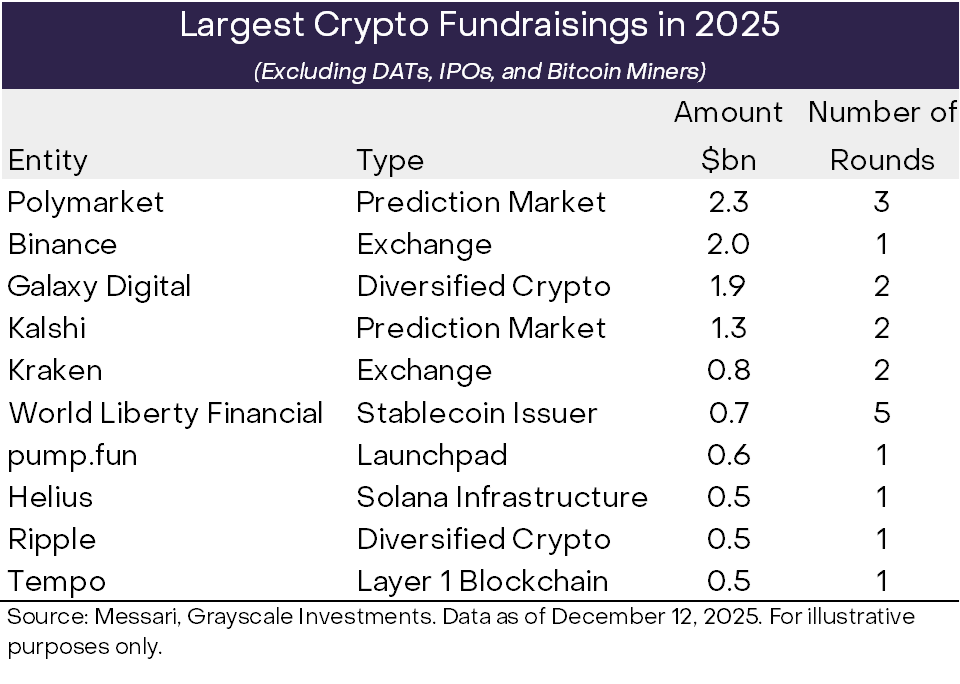
Figure 4: Higher fundraising amounts may indicate growing institutional investor confidence
We believe new capital entering the crypto ecosystem will primarily flow through spot ETPs. Since the U.S. Bitcoin ETP launch in January 2024, global crypto ETPs have seen $87 billion in net inflows (see Figure 5). Despite early success, the process of integrating crypto assets into mainstream portfolios is still in its early stages. Grayscale estimates that crypto assets currently account for less than 0.5% of assets managed by U.S. wealth management advisors. [2] This share is expected to grow as more platforms complete due diligence, establish capital market assumptions, and incorporate crypto assets into model portfolios.
Beyond wealth advisor management, early institutional adopters have already included crypto ETPs in their portfolios, such as Harvard Management Company and the Abu Dhabi sovereign wealth fund Mubadala. [3] We expect this list to expand significantly by 2026.
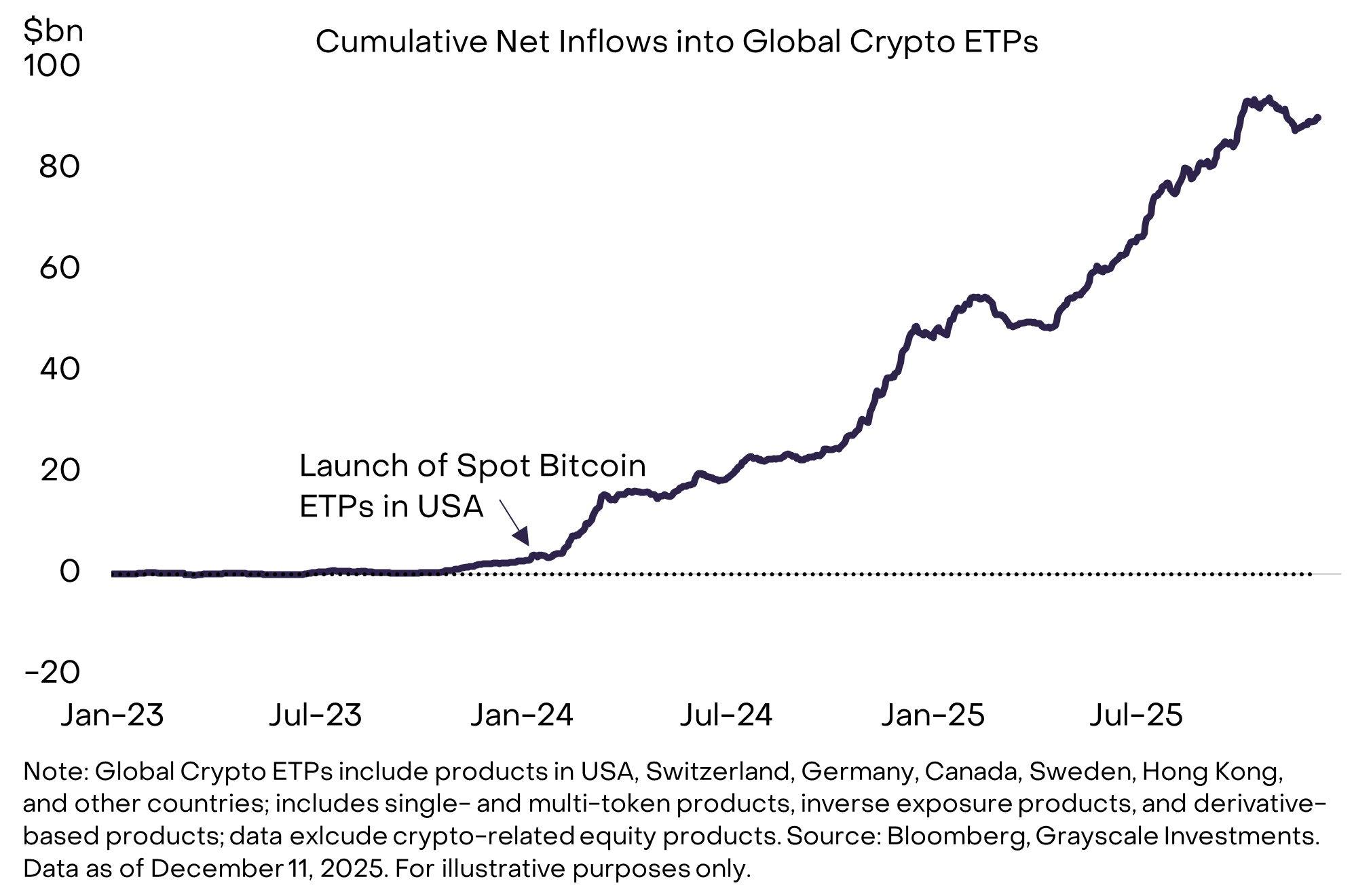
Figure 5: Sustained inflows into spot cryptocurrency ETPs
As the crypto market becomes increasingly driven by institutional capital inflows, its price performance characteristics have also changed. In previous bull cycles, Bitcoin's price rose by at least 1000% within a year (see Figure 6). This time, Bitcoin's maximum annual gain was about 240% (in the year ending March 2024). We believe this difference reflects more stable buying behavior from institutional investors recently, rather than the momentum-driven retail FOMO of past cycles. While crypto investing still carries significant risks, we believe the likelihood of a deep, prolonged cyclical drawdown at the time of writing is relatively low. Instead, we think steady price appreciation driven by institutional capital inflows is more likely to be the dominant trend next year.
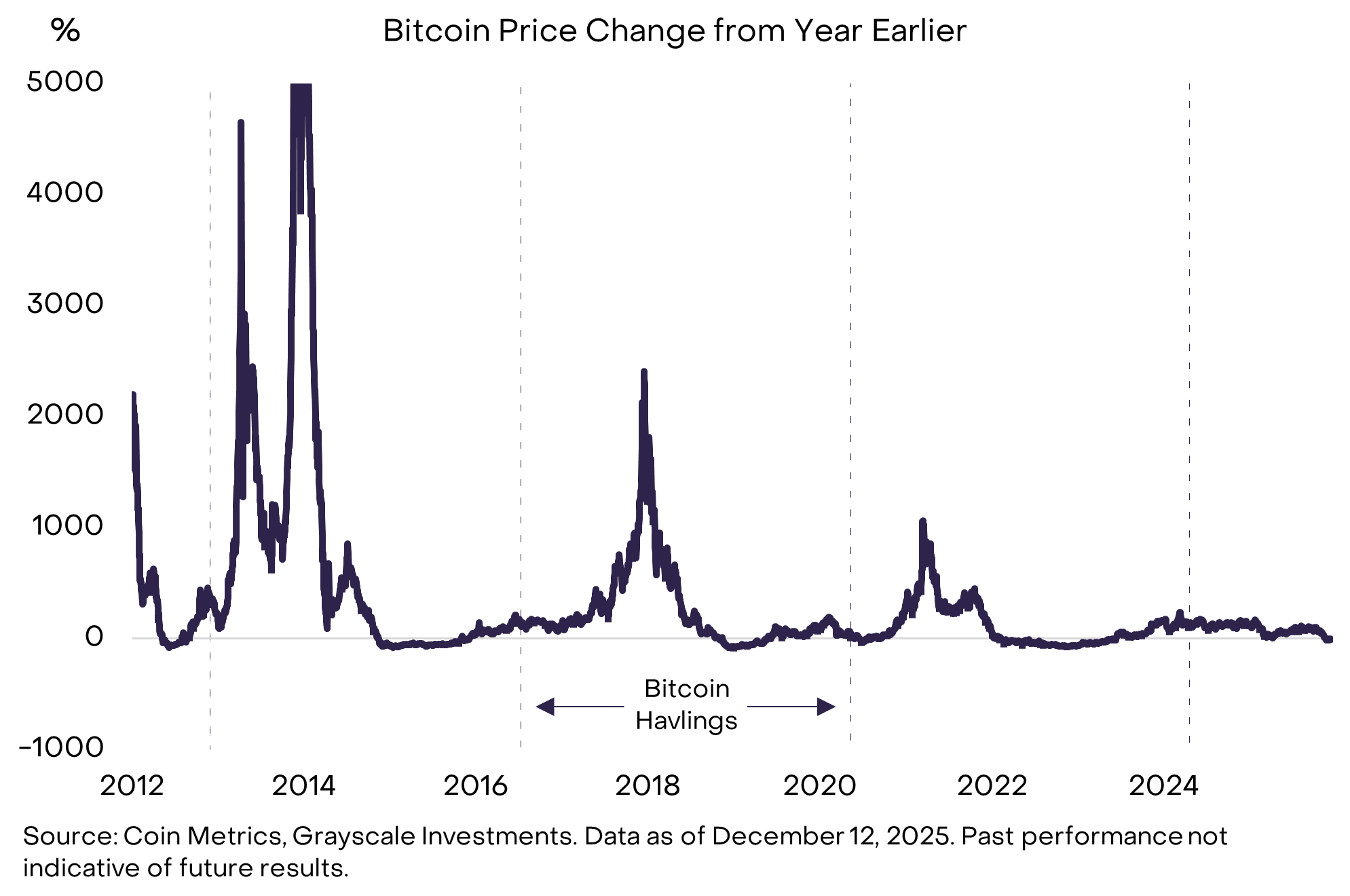
Figure 6: Bitcoin price has not experienced a sharp spike this cycle
A supportive macro market backdrop may also limit some downside risks for token prices in 2026. The past two cyclical peaks occurred during Federal Reserve rate hikes (see Figure 7). In contrast, the Fed cut rates three times in 2025 and is expected to continue cutting next year. Kevin Hassett, a potential successor to Jerome Powell as Fed Chair, recently stated on Face the Nation: "The American people can expect that President Trump will pick someone who will help them get lower car loan rates and easier access to low-interest mortgages." [4] Overall, economic growth and generally supportive Fed policy should align with improved investor risk appetite and potential gains for higher-risk assets, including crypto.
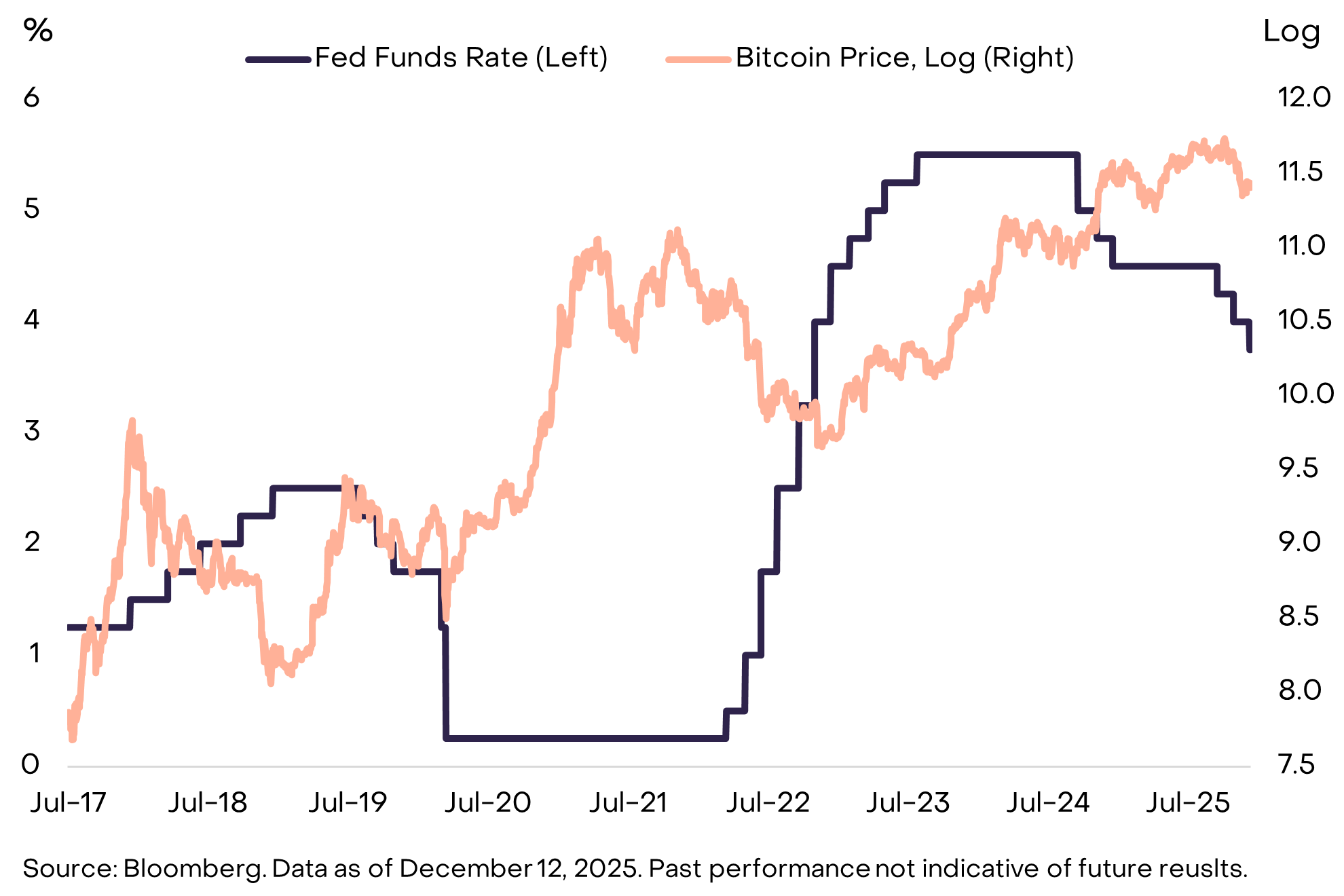
Figure 7: Previous cyclical peaks coincided with Fed rate hikes
Like all asset classes, the crypto market is driven by a combination of fundamentals and capital flows. Commodity markets are cyclical, and the crypto market may experience prolonged cyclical drawdowns at some point in the future. However, we do not believe this will occur in 2026. Fundamentally, the crypto market shows strong support: we expect continued macro demand for alternative stores of value, and regulatory clarity driving institutional investment into public blockchain technology. Furthermore, new capital continues to flow into the market: crypto ETPs are expected to appear in more portfolios by the end of next year. This cycle has not seen a massive wave of retail demand but rather sustained demand for crypto ETPs from a broad range of portfolios. Against an overall supportive macro backdrop, we believe these conditions set the stage for the crypto asset class to reach new highs in 2026.
Top 10 Crypto Investment Themes for 2026
Crypto is a diverse asset class reflecting the many applications of public blockchain technology. The following section outlines Grayscale's view on the ten most important crypto investment themes for 2026—plus two "distractions." For each theme, we list the tokens most relevant from Grayscale's perspective. For more background on investable digital asset types, refer to our Crypto Sectors Framework.
Theme 1: Dollar Devaluation Risk Fuels Demand for Monetary Alternatives